The Rako RMT-500 and RML-500 are both wireless Rako dimmer modules, but they're built for different types of lighting. The RMT-500 is trailing-edge, for mains dimmable LED lamps and electronic transformers, which covers most modern LED downlights. The RML-500 is leading-edge, for mains tungsten and halogen lighting and wire-wound transformer loads. Choosing the right one starts with knowing what your lights are.
For how dimmer modules fit into a wider system, see our guide to what Rako is and how it works. This post focuses on choosing between the two 500s. If you are still deciding on a system, read Rako or Shelly.
The short answer
- Mains dimmable LED lamps, or lighting on electronic transformers: choose the Rako RMT-500 (trailing-edge).
- Mains tungsten or halogen lighting, or wire-wound transformer loads: choose the Rako RML-500 (leading-edge).
- Larger loads: look at the RMT-1200 or the RML-1200.
- Lighting that isn't dimmable at all: you need switching, not dimming.
- Whatever you choose, check the lamp or driver maker's dimming notes, and have your Rako installer match the module to the load.
Rako RMT-500: the trailing-edge option
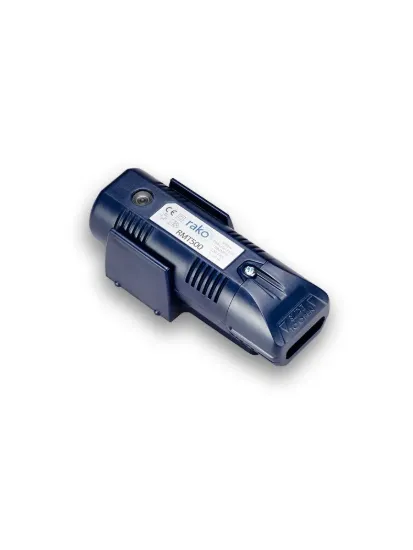
The RMT-500 is a wireless trailing-edge dimmer module. Trailing-edge dimming is the type used for mains dimmable LED lamps and electronic transformers, which covers most modern LED downlights.
The RMT-500 is rated for:
- Mains dimmable LED loads up to 250W
- Electronic transformer loads up to 450W
If you're planning dimmable LED downlights in a kitchen, living room or hallway, the RMT-500 is usually the module to look at first. You still need to check that the lamps are mains dimmable and read the maker's dimming notes.
Rako RML-500: the leading-edge option
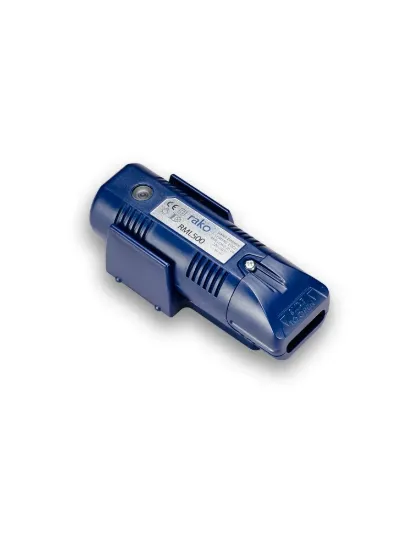
The RML-500 is a wireless leading-edge dimmer module. Leading-edge dimming is the type used for tungsten, halogen, and low-voltage lighting on leading-edge dimmable transformers.
The RML-500 handles mains tungsten and halogen loads and wire-wound transformer loads, from 20W to 500W.
If your project includes traditional tungsten or halogen fittings, or low-voltage lighting on wire-wound transformers, the RML-500 is the one to consider.
RMT-500 vs RML-500 side by side
- Dimming type: the RMT-500 is trailing-edge. The RML-500 is leading-edge.
- Connection to the system: both are wireless Rako modules.
- Lighting it suits: the RMT-500 suits mains dimmable LED lamps and electronic transformers. The RML-500 suits mains tungsten and halogen lighting and wire-wound transformer loads.
- Load rating: the RMT-500 handles mains dimmable LED up to 250W and electronic transformer loads up to 450W. The RML-500 handles 20W to 500W of tungsten, halogen and wire-wound transformer loads.
- Bigger version: RMT-1200 for trailing-edge, RML-1200 for leading-edge.
The two modules aren't better or worse than each other. They're designed for different loads, and the lighting decides which one you need.
How do I tell which one my lights need?
Start with the lamps and anything that powers them:
- Are the lamps mains dimmable LED? That points to trailing-edge and the RMT-500.
- Is the lighting tungsten or halogen on mains? That points to leading-edge and the RML-500.
- Is there a transformer? Find out whether it's electronic or wire-wound. Electronic transformers point to the RMT-500; wire-wound transformers point to the RML-500.
Then check the lamp or driver maker's dimming notes. Makers often state which type of dimming their product is designed for. If those notes and your first guess disagree, go with the maker's notes and talk it through with your installer.
Is trailing-edge or leading-edge better for LED downlights?
Trailing-edge is the type for mains dimmable LED lamps, which covers most modern LED downlights, so the RMT-500 is the usual starting point. It isn't a guarantee: dimming behaviour depends on the lamp or driver, so always check the maker's dimming notes before ordering.
Larger loads: RMT-1200 and RML-1200
If a circuit carries more than the 500s are rated for, each has a larger version:
- RMT-1200 (trailing-edge): 1200W, or 600W of mains dimmable LED. It's designed for ceiling voids and cupboards.
- RML-1200 (leading-edge): 20W to 1200W, for the same load type as the RML-500.
The same rule applies: match the dimming type to the lighting first, then pick the size that suits the load.
Need it in the back box? The RMT-PILL
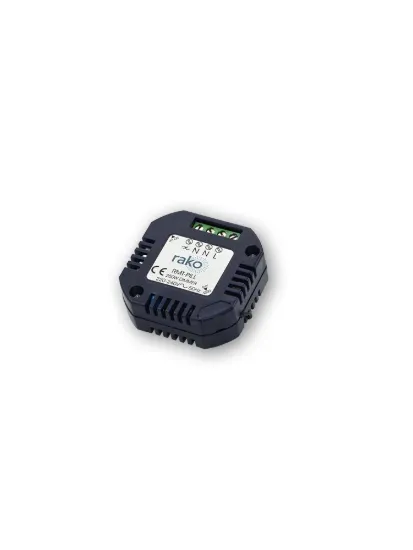
If you'd rather keep the dimmer in the back box, the RMT-PILL is a back-box trailing-edge option. It's rated for 250W of mains dimmable LED with a neutral, or halogen without one. Whether it suits your project depends on what's in the back box, so check with your installer.
What if my lights aren't dimmable?
If the lighting isn't dimmable, neither the RMT-500 nor the RML-500 is the right choice. For on/off control, the RMS-800 provides wireless switching for non-dimmable lighting, fans, pumps and contactors, up to 800VA.
Common mistakes to avoid
- Choosing by name rather than by load. The 500 in each name doesn't mean they suit the same lighting.
- Picking the RML-500 for LED downlights. The RML-500 is for tungsten, halogen and wire-wound transformer loads. Mains dimmable LED belongs on trailing-edge.
- Ignoring the transformer. Electronic and wire-wound transformers point to different modules.
- Forgetting the RML-500's range. It covers 20W to 500W, so check the total load on the circuit falls within that.
- Skipping the maker's notes. Lamp and driver dimming notes come first. No module choice replaces them.
- Choosing a dimmer for non-dimmable lighting. Use switching, such as the RMS-800, instead.
Who matches the module to the lights?
We supply the parts. A Rako installer should match each module to its load as part of designing and commissioning your system. If you're still planning, send us the details through our Rako project form. You can also browse all Rako wireless modules or the full range of Rako modules.
Shop the RMT-500 and RML-500, or plan a project
Know your load? Shop the Rako RMT-500 for mains dimmable LED and electronic transformers, or the Rako RML-500 for tungsten, halogen and wire-wound transformer loads. You can also browse the wider Rako range.
Still working out what your lights need? Tell us about your project using the Rako project form.